What started as a single image on social media has exploded into one of the most heated parenting debates of the year.
A viral post connected to former Philadelphia Eagles star Jason Kelce has spread across Facebook, X, Instagram, and countless online forums, generating millions of views and thousands of passionate reactions.
The image carries a controversial message about children, parenting, and modern society.
Some people immediately praised it.
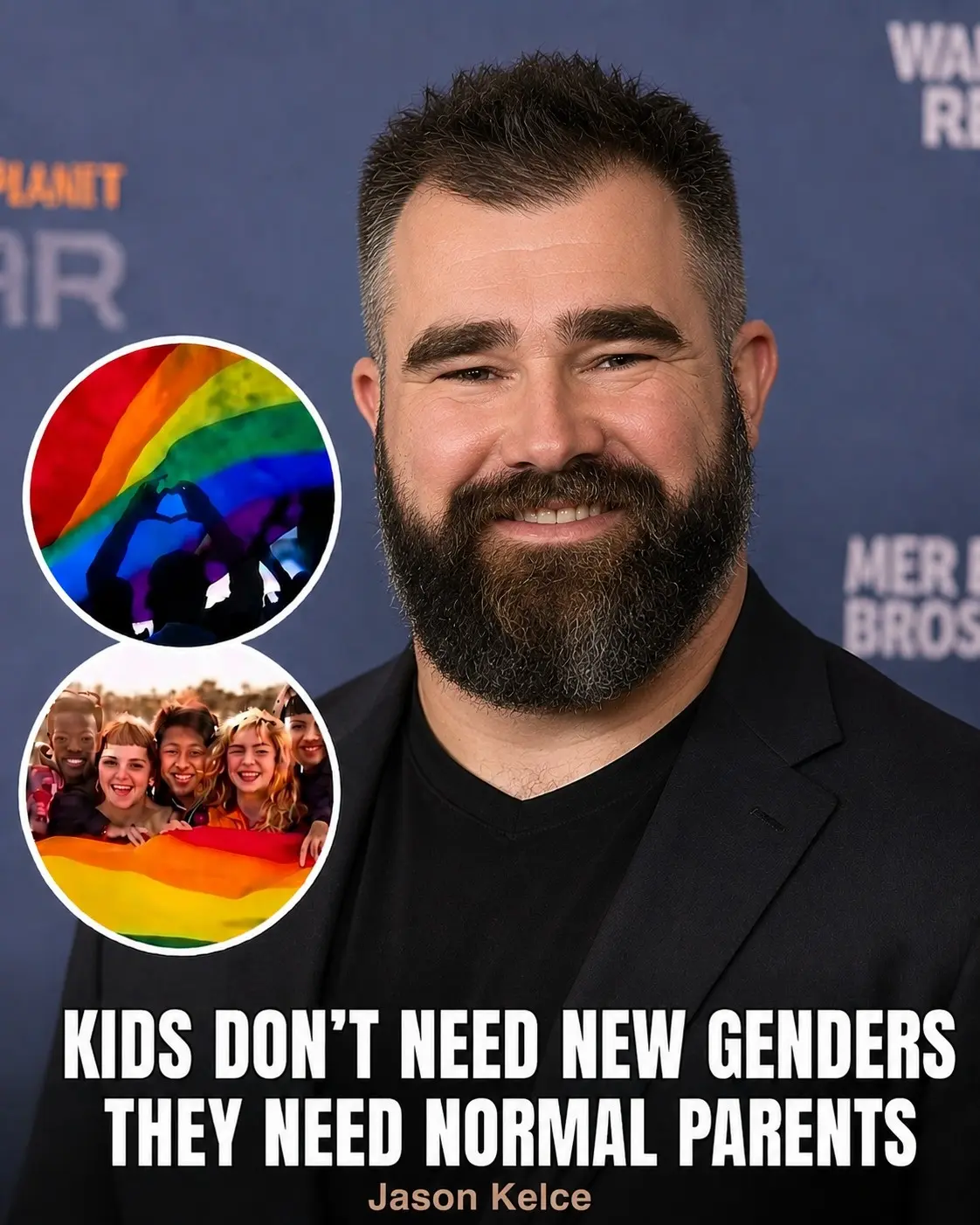
Others were outraged.
And within hours, the conversation had grown far beyond sports.
Suddenly, parents, educators, psychologists, and social media users everywhere were debating a question that many families quietly wrestle with every day:
What do children need most in a rapidly changing world?
Supporters of the message argue that today’s children face unprecedented challenges. They point to social media pressure, rising anxiety levels among young people, and the constant influence of online culture.
According to these supporters, children need stability, guidance, and strong family support more than ever before.
Many parents commenting online said they believe modern society often focuses on labels and trends while overlooking more fundamental needs.
Love.
Attention.
Emotional support.
Healthy communication.
A sense of belonging.
“These are the things kids remember,” one parent wrote online. “Not internet arguments.”
Others echoed similar sentiments, arguing that children thrive when they have trusted adults who provide structure, encouragement, and consistent care.

For them, the image became a symbol of concerns they have been expressing for years.
But critics strongly disagree.
Many believe the message oversimplifies complex issues involving childhood development, identity, and family life.
They argue that modern families come in many different forms and that children can grow into healthy, successful adults in a wide variety of supportive environments.
Some critics also questioned why such topics often become polarized online.
Instead of encouraging thoughtful discussion, they say social media frequently rewards outrage and conflict.
As a result, meaningful conversations become increasingly difficult.
The disagreement has exposed a broader cultural divide.
On one side are people who feel society is changing too quickly and leaving parents struggling to navigate unfamiliar territory.
On the other side are those who believe greater awareness and acceptance of different experiences can help children feel understood and supported.
Yet despite the disagreement, one surprising theme has emerged.
Many people from both perspectives actually agree on more than they realize.

Regardless of political beliefs or social views, most parents want the same things.
They want children to feel safe.
They want them to feel loved.
They want them to develop confidence and resilience.
They want them to grow into healthy, capable adults.
The debate centers not on those goals, but on the best way to achieve them.
That may explain why the discussion has resonated with so many people.
Unlike many viral controversies that disappear after a few days, this conversation touches something deeply personal.
Nearly everyone has an opinion about childhood.
Nearly everyone has experiences that shape their views about parenting.
And nearly everyone cares about what kind of world future generations will inherit.
The involvement of Jason Kelce’s name only amplified the attention.
As one of the most respected and recognizable figures in professional football, Kelce has built a reputation that extends well beyond sports.
Fans admire him not only for his accomplishments on the field but also for his reputation as a devoted family man.
That connection helped push the debate into mainstream conversation.
Still, many observers believe the real issue has little to do with celebrities.
The focus, they argue, should remain on children themselves.
What helps them thrive?
What gives them confidence?
What helps them feel secure in uncertain times?
Those questions matter far more than any viral headline.
As the debate continues to spread across social media, one thing remains clear:
People care deeply about the future of children.
Whether they agree or disagree with the message in the image, millions of people are participating because they believe childhood matters.
And perhaps that is the most important takeaway of all.
Behind every argument, every comment, and every viral post lies a shared concern for the next generation.
The controversy may eventually fade.
The headlines will disappear.
But the conversation about what children truly need will likely continue for years to come.